
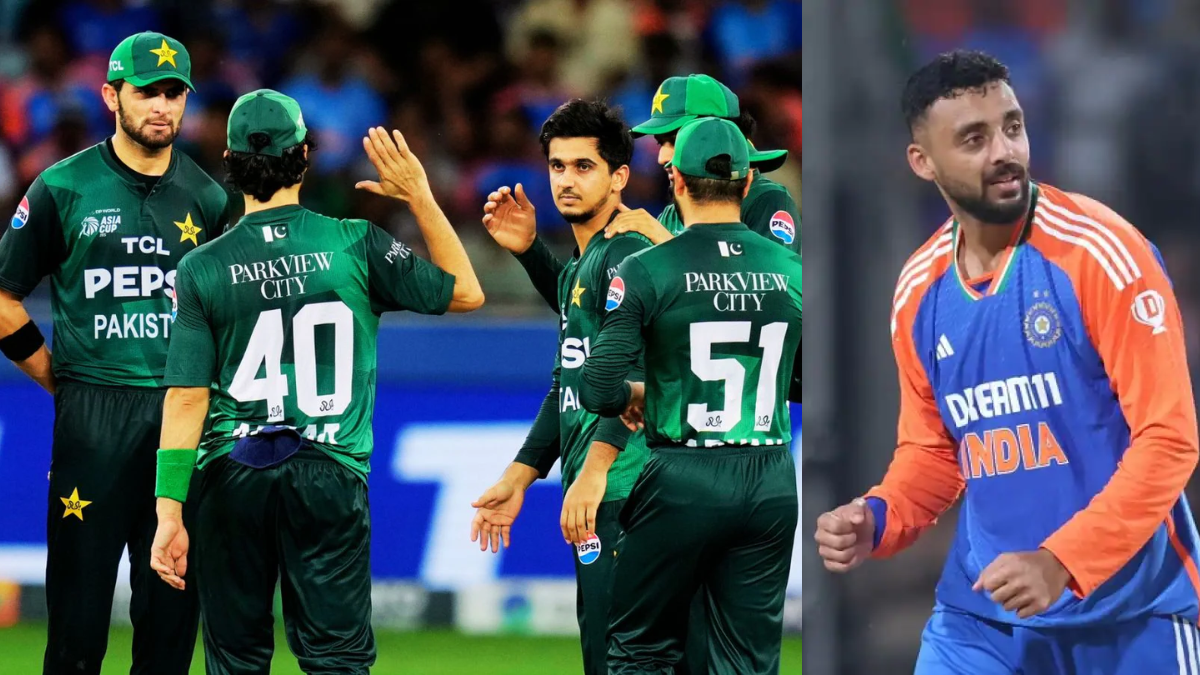
Varun Chakravarthy – जैसा की आप सब जानते ही है भारत ने पाकिस्तान को पांच विकेट से हराकर नौंवी बार एशिया कप (Asia Cup) की ट्रॉफी अपने नाम की। हालांकि मैच के बाद असली चर्चा क्रिकेट से ज्यादा उस घटना की हुई, जब भारतीय खिलाड़ियों ने एसीसी अध्यक्ष और पीसीबी (PCB) चेयरमैन मोहसिन नकवी (Mohsin Naqvi) से ट्रॉफी लेने से इनकार कर दिया।
लेकिन ट्रॉफी नहीं मिलने के बावजूद खिलाड़ियों ने जश्न का मजा हल्का नहीं होने दिया। बता दे इसी कड़ी में भारतीय स्पिनर वरुण चक्रवर्ती (Varun Chakravarthy) ने ऐसा पोस्ट शेयर किया, जिसने सोशल मीडिया पर आग लगा दी।
वरुण चक्रवर्ती का मजेदार जश्न
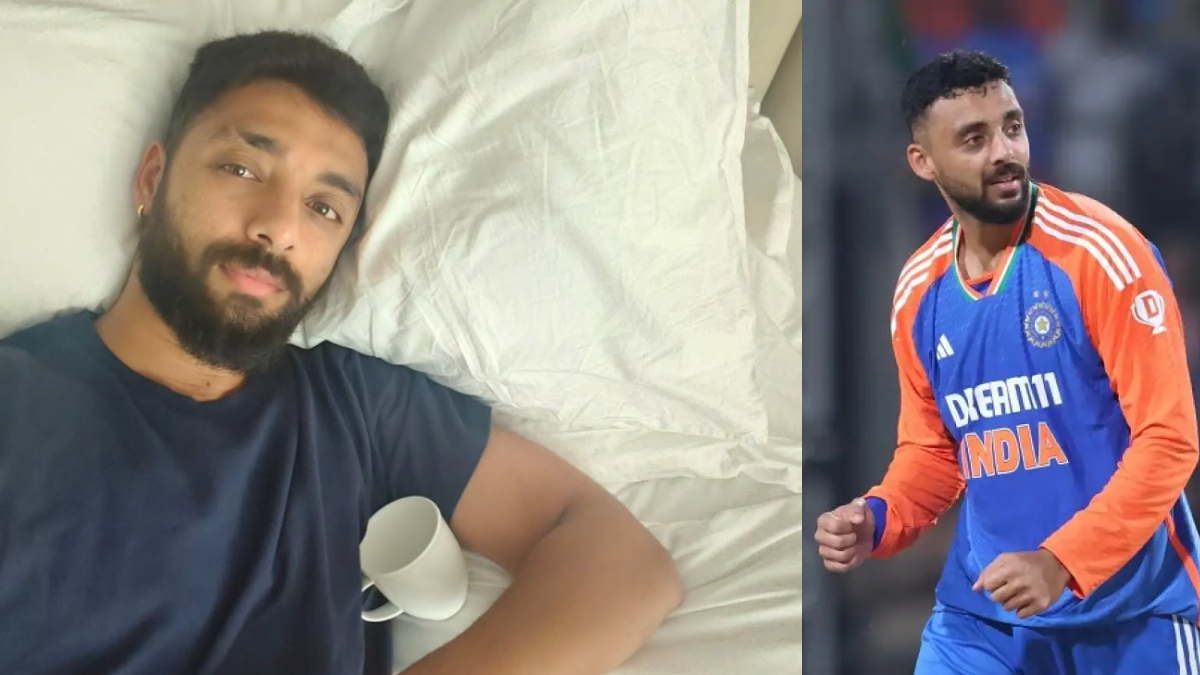 दरअसल, खिलाड़ी जब किसी बड़े टूर्नामेंट की ट्रॉफी जीतते हैं तो उसके साथ फोटो खिंचवाना सबसे खास पल होता है। लेकिन अफ़सोस इस बार भारतीय टीम को आधिकारिक ट्रॉफी नहीं मिली। ऐसे में टीम इंडिया (Team India) ने ह्यूमर का सहारा लिया और कल्पनिक ट्रॉफियों के साथ तस्वीरें खिंचवाईं।
Also Read – इन 4 खिलाड़ियों को BCCI ने सौंपी सत्ता, टी20 वर्ल्ड कप 2026 तक होंगे अब भारत के तीनों फॉर्मेट के कप्तान-उपकप्तान
वरुण चक्रवर्ती (Varun Chakravarthy) ने इस ट्रेंड को सबसे मजेदार अंदाज में निभाया। बता दे उन्होंने इंस्टाग्राम पर कुछ तस्वीरें शेयर कीं, जिनमें वह बिस्तर पर लेटे हुए एक सफेद मग को गले लगाकर ट्रॉफी की तरह पोज देते नजर आए। तस्वीरें बिल्कुल वैसी थी, जैसी खिलाड़ी बड़ी जीत के बाद असली ट्रॉफी के साथ क्लिक करवाते हैं।
पोस्ट करते हुए वरुण (Varun Chakravarthy) ने कैप्शन लिखा – “अखा दुनिया एक तरफ और मेरा इंडिया एक तरफ….” इसके साथ उन्होंने भारतीय झंडा और दिल वाला इमोजी भी लगाया। दरअसल, उनका यह पोस्ट देखते ही देखते वायरल हो गया और फैंस ने इसे पाकिस्तान की हार पर ‘मिर्ची’ लगाने जैसा करार दिया।
फाइनल में स्पिन जोड़ी का जलवा
वरुण चक्रवर्ती (Varun Chakravarthy) भले ही सोशल मीडिया पर अपने मजाकिया पोस्ट के लिए सुर्खियों में आए हों, लेकिन मैदान पर उनका और कुलदीप यादव का प्रदर्शन भी शानदार रहा। याद दिला दे पाकिस्तान की टीम एक समय 12.4 ओवर में एक विकेट पर 113 रन बनाकर मजबूत स्थिति में थी। लेकिन इसके बाद भारतीय स्पिनरों ने खेल पूरी तरह पलट दिया। कुलदीप यादव ने अकेले चार विकेट लिए, जिसमें एक ही ओवर में 3 विकेट शामिल रहे।
वहीं वरुण चक्रवर्ती (Varun Chakravarthy) ने भी लगातार दबाव बनाकर पाकिस्तानी बल्लेबाजों को रन जुटाने से रोके रखा। नतीजा यह हुआ कि पाकिस्तान टीम के अगले 9 विकेट सिर्फ 33 रन पर गिर गए और पूरी टीम 19.1 ओवर में 146 रनों पर सिमट गई।
तिलक वर्मा ने दिलाई जीत
हालांकि लक्ष्य का पीछा करने उतरी भारतीय टीम की शुरुआत भी खराब रही। मात्र 20 रन पर 3 बड़े विकेट गिर चुके थे। लेकिन फिर युवा बल्लेबाज तिलक वर्मा ने नाबाद 69 रन की पारी खेलकर भारत को जीत दिलाई। लिहाज़ा, उनकी सूझबूझ और संयम ने मैच को भारत के पक्ष में कर दिया और एशिया कप (Asia Cup) का ताज एक बार फिर टीम इंडिया (Team India) के सिर सजा।
संछेप में
एशिया कप 2025 (Asia Cup) का फाइनल जीतना भारत के लिए गर्व का पल था। लेकिन असली चर्चा वरुण चक्रवर्ती (Varun Chakravarthy) की पोस्ट ने बटोरी। क्यूंकि उनका “मग वाली ट्रॉफी” वाला अंदाज न सिर्फ फैंस को गुदगुदा गया बल्कि पाकिस्तान के लिए यह तंज भी साबित हुआ।
साथ ही इस मजेदार जश्न ने दिखा दिया कि असली ट्रॉफी मिले या न मिले, टीम इंडिया (Team India) और उसके खिलाड़ी जीत का आनंद लेना जानते हैं। वरुण (Varun Chakravarthy) का यह अंदाज क्रिकेट प्रेमियों के बीच लंबे समय तक याद किया जाएगा।
Also Read – ‘इन्हें अंडे-टमाटर मारेंगे….’, पाकिस्तान की हार के बाद फूटा उनकी आवाम का गुस्सा, ऑन कैमरा दी धमकी
FAQs
वरुण चक्रवर्ती का वायरल पोस्ट क्यों चर्चा में आया?
एशिया कप 2025 फाइनल में वरुण चक्रवर्ती का प्रदर्शन कैसा रहा?
The post ‘अखा दुनिया एक तरफ और मेरा इंडिया एक तरफ….’ वरुण चक्रवर्ती ने ट्रेंड को फॉलो करते हुए पाकिस्तान को लगाई मिर्ची appeared first on khelja.