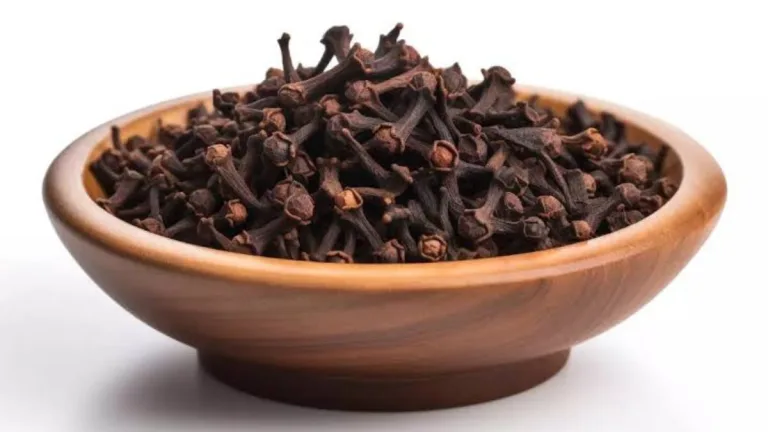
Acharya Balkrishna took to Facebook with a video explaining how clove has traditionally been used for bad headaches and migraine. He pointed out that Ayurveda has relied on clove for generations, in more than one form. The method he described is simple. Grind the clove finely, mix it with water until it forms a paste, then rub that paste on the forehead and temples.
He didn’t stop at the remedy, though. Balkrishna made a point of warning viewers that not every headache is “just a migraine.” A sudden, severe headache, especially one happening for the first time, needs to be taken seriously. He rattled off a list of red flags: fainting, weakness, slurred speech, blurry or changed vision, high fever, a stiff neck. If any of these show up, he said, don’t reach for home remedies. Go get medical help immediately.
What’s actually in clove
Most of clove’s healing reputation comes down to one compound: eugenol. It makes up somewhere between 70 and 90 percent of clove oil, and it’s responsible for the antioxidant, anti-inflammatory and mildly numbing effects people associate with the spice.
Eugenol does part of its job by blocking prostaglandins, the chemicals in the body that stir up inflammation and pain. That’s actually the same mechanism ibuprofen and similar painkillers work through.
Where the science stands
Clove’s best-documented use, by far, is dental pain. Dentists have leaned on eugenol for temporary fillings and cements for hundreds of years, going back as far as the 1200s.
Headache relief is a thinner but real area of research. A 2024 study tested aromatherapy with clove and lavender oil on patients dealing with headaches after spinal anesthesia. The researchers found eugenol eased pain through several pathways, including its impact on nerve receptors tied to pain signaling.
There’s also research digging into what eugenol does inside the nervous system more broadly. Because it’s a hydrophobic molecule, eugenol can slip past the blood-brain barrier and act directly on brain tissue. Traditional Persian medical texts have described clove as good for the brain for centuries, including for certain kinds of headache.
Animal studies back this up a bit further. In one rat study, clove oil appeared to reduce brain cell damage and improve behavior after induced seizures. The researchers noted a protective effect on neurons during the experiment.