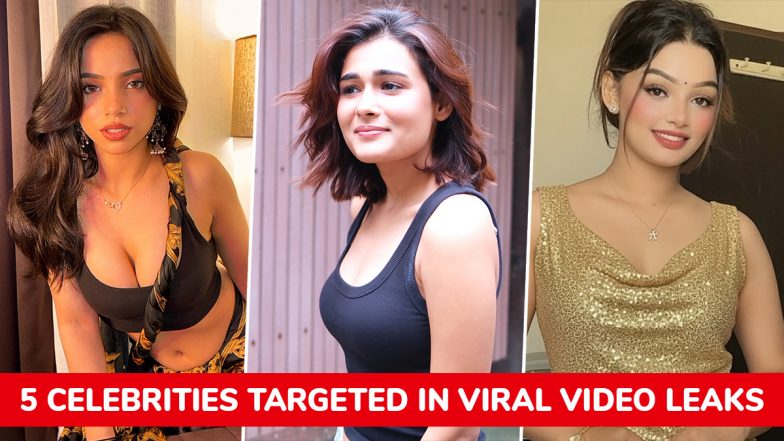
A wave of online controversies involving alleged “MMS leaks” explicit viral videos, and compromised footage has targeted female influencers, actors, and content creators. However, official statements, fact-checks, and cyber investigations confirm that these circulating clips are overwhelmingly manufactured, either created using AI deepfake technology, misattributed to public figures or weaponized as deceptive clickbait scams by cybercriminals.
Here is how five prominent influencers and public figures addressed the viral claims and set the record straight:
1- Shalini Pandey Deepfake
Bollywood actor Shalini Pandey publicly condemned a fake, AI-generated video that purported to show her topless. Addressing the issue on social media, the Arjun Reddy and Jayeshbhai Jordaar actor clarified that the footage was completely fabricated and urged followers not to engage with or distribute the clip. She highlighted the alarming rise of generative AI tools being misused to target wom en without consent and requested users to report suspicious posts immediately.
Shalini Pandey Viral Video Real or Fake? Actress Calls Clip AI-Generated
2- Muskan Karia Viral Video Row
Food reviewer and digital content creator Muskan Karia became the subject of trending search queries after unverified posts claimed that private clips from her paid subscription platforms were leaked online. Cybersecurity experts quickly flagged the viral links as malicious clickbait and phishing traps designed to compromise users’ personal data and banking information. The allegations were exacerbated by false rumors linking her subscription platform to sports personalities, though no verified explicit footage ever surfaced.
Influencer Muskan Karia Wins Legal Battle Against Viral AI Deepfake Video
3- Tanu Rawat Leaked MMS Video Controversy
Popular digital creator Tanu Rawat was targeted in a widespread online campaign where posts falsely claimed that an explicit video involving her had been leaked. Fact-checks confirmed that the rumors were entirely fake and part of an ad-revenue scam. Cybercriminals deployed automated bots and sensationalized search terms to drive unsuspecting users toward ad-heavy websites, survey portals, and phishing networks.
4- Fake Hetal Parmar Viral Video
Gujarati social media influencer Hetal Parmar broke her silence after a manipulated explicit video claiming to feature her began circulating across messaging platforms. Parmar issued a public video clarification, explaining that the clip was an AI-generated deepfake crafted to damage her reputation. She urged her audience to recognize the technological fabrication and warned against sharing non-consensual altered media.
Hetal Parmar Responds After Viral MMS Leak Row
5- Priti Paswan Viral Video Controversy
Bhojpuri dancer and stage artist Priti Paswan addressed a viral “1-minute 48-second” explicit video that was falsely attributed to her. In a video statement, Paswan denied any connection to the clip, pointing out distinct physical differences, such as specific facial moles and shoulder tattoos present on her but absent on the woman in the video. She condemned those spreading the misattributed footage and warned of legal action against accounts circulating the false claims.
Priti Paswan Rejects Viral Video
The Threat of AI Deepfakes and Cyber Scams
These cases underscore a growing digital threat where malicious actors exploit the names and likenesses of public figures for financial gain or harassment. Cybersecurity authorities consistently advise social media users to exercise caution, avoid clicking on suspicious “leak” links, and refrain from sharing non-consensual explicit content. Sharing or downloading such material can violate information technology laws and expose devices to severe cyber threats.