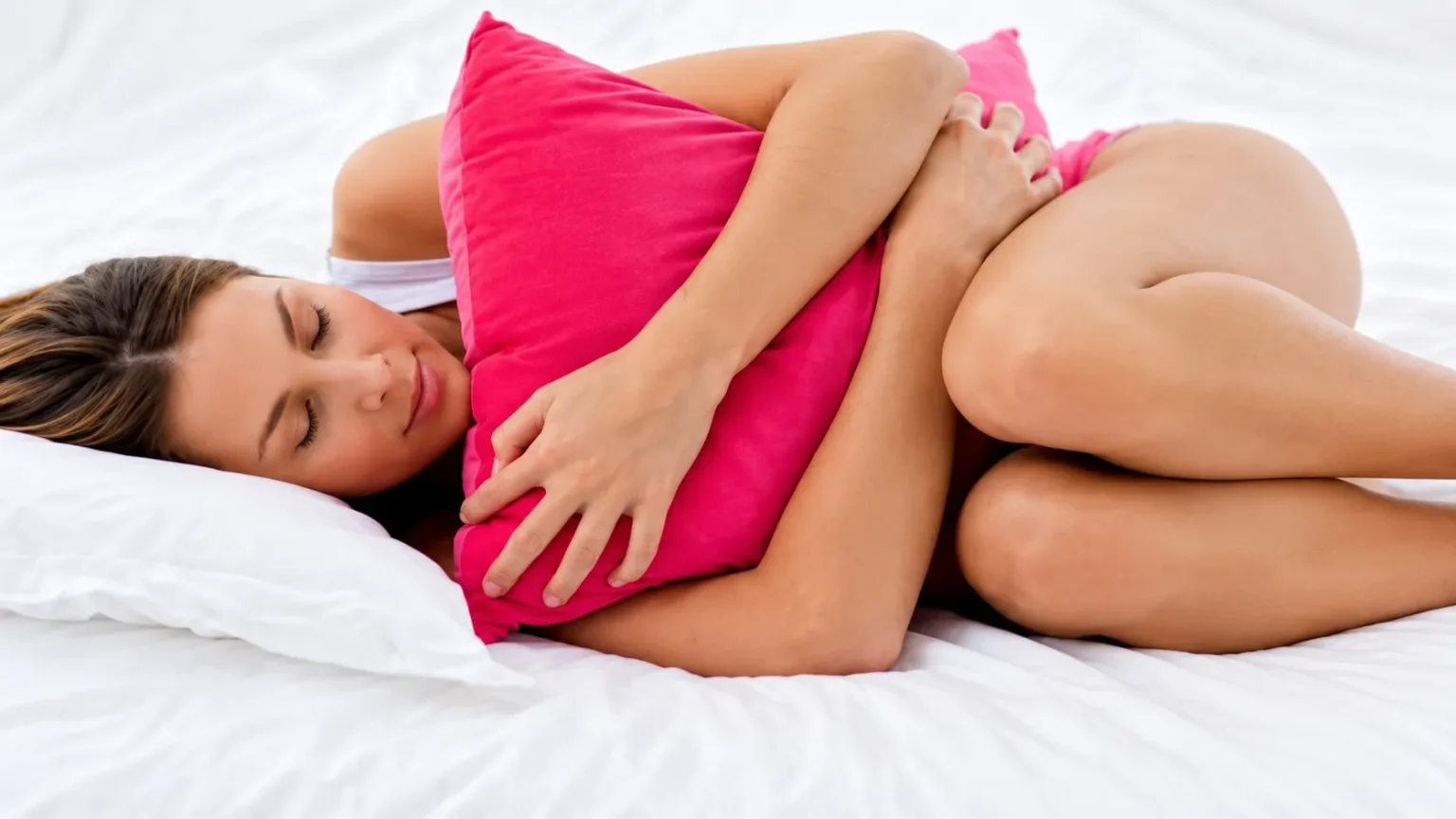
Menstrual Health – Periods are a normal biological process, but the way symptoms are managed can differ widely from one person to another. Cramps, lower back discomfort, fatigue, bloating, leg pain and mood changes are commonly reported during the menstrual cycle. However, there is no single rule that applies to every woman, particularly when it comes to exercise and food choices. Paying attention to individual symptoms, maintaining good hygiene and seeking medical advice for severe or unusual problems can help women make safer decisions about period care and their long-term health.
Intense Exercise May Need to Be Adjusted During Painful Days
Some women feel comfortable continuing their usual workout routine during their periods, while others may find intense exercise difficult, especially during the first few days of bleeding. Heavy weight training or demanding abdominal exercises can be uncomfortable when cramps, weakness or fatigue are already present. Instead of following a fixed approach, activity levels can be adjusted according to how the body feels. Gentle stretching, light yoga or a relaxed walk may be more comfortable options for those experiencing pain or low energy.
Claims that exercise during periods automatically causes future fertility or hormonal problems are not supported as a general rule. Regular physical activity can be beneficial for many people, and moderate exercise may even help some women manage menstrual discomfort. The important factor is to avoid pushing through severe pain, dizziness or unusual weakness. Anyone experiencing consistently painful periods or symptoms that interfere with daily life should consider consulting a qualified healthcare professional rather than relying solely on general advice.
Cold Foods Are Not Necessarily Harmful for Everyone
Ice cream, cold coffee and chilled drinks are common cravings for some people during their periods. However, there is limited evidence that cold food itself universally worsens cramps or causes menstrual problems. Individual reactions can vary, and some people may personally feel more bloated or uncomfortable after consuming certain drinks or foods. Paying attention to personal triggers can therefore be more useful than treating all cold foods as harmful.
Highly sugary beverages and heavily processed foods may be worth limiting as part of an overall balanced diet, regardless of whether a person is menstruating. Staying adequately hydrated and choosing regular, nourishing meals can help support general wellbeing. If bloating or digestive discomfort is a concern, reducing foods that personally trigger those symptoms may be more practical. Persistent or severe digestive symptoms should be discussed with a healthcare professional.
Iron and Balanced Nutrition Remain Important
Blood loss during menstruation makes adequate dietary iron particularly important for women who have heavy or frequent periods. Iron-rich foods may include leafy vegetables, legumes, meat, eggs and fortified foods, depending on dietary preferences. Combining plant-based iron sources with vitamin C-rich foods can also support iron absorption. Women who experience ongoing fatigue, weakness, shortness of breath or unusually heavy bleeding may need medical evaluation for possible iron deficiency or other underlying conditions.
During periods, some people may also prefer lighter meals when bloating or digestive discomfort occurs. Fried and heavily spiced foods can cause discomfort for certain individuals, but there is no need to eliminate them completely unless they trigger symptoms. A varied diet containing protein, fibre, healthy fats, fruits and vegetables remains a practical approach. Restrictive diets or unverified remedies should be avoided, particularly when they promise to permanently alter the menstrual cycle.
Hygiene and Timely Product Changes Are Essential
Good menstrual hygiene is an important part of routine period care. Pads, tampons and menstrual cups should be used according to their product instructions and changed or emptied at appropriate intervals. The exact timing can depend on the type of product, the amount of menstrual flow and the manufacturer’s guidance. Hands should be washed before and after changing menstrual products to reduce the risk of transferring germs.
Women should also pay attention to warning signs such as exceptionally heavy bleeding, severe pain, fainting, fever, unusual discharge or sudden changes in their normal cycle. These symptoms should not be dismissed as routine discomfort without considering professional medical advice. Every menstrual cycle can feel slightly different, but informed self-care, suitable nutrition, hygiene and attention to persistent symptoms can help women manage their periods with greater confidence and safety.