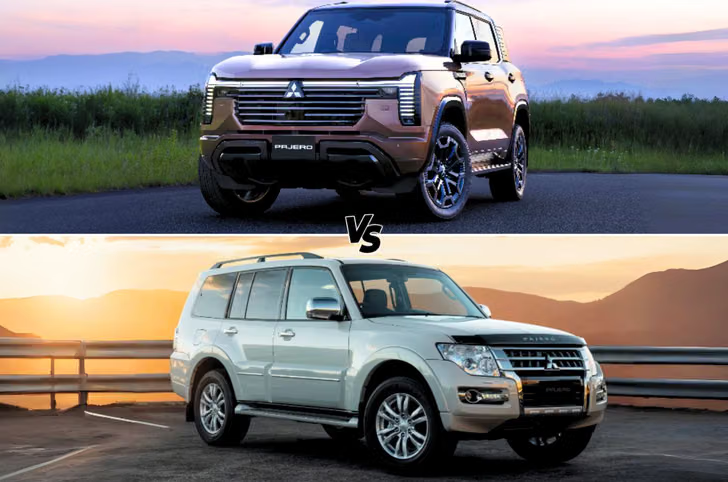
After being discontinued internationally in 2021, the , this time in its fifth-generation avatar. The new model has a ladder-frame chassis and a 4WD setup with a low-range transfer case, promising the robustness of the previous Pajeros that helped the nameplate dominate the Dakar Rally. However, significant design and tech upgrades have been made to modernise the entire package. Here are the differences between the 2026 Pajero and the fourth-gen model.
2026 Mitsubishi Pajero vs 2021 model: Exterior design
Gets a larger grille and sleeker headlights than before
At the front, the 2026 model gets a larger grille with LED light bars that connect the headlights, which are sleeker than the older model’s boxier-looking units. The front bumper is sleeker, too, and omits the fog lamps and LED strips on both sides. Instead, the new Pajero’s fog lamps are integrated into the lowest section of the headlamp unit, offering a cleaner overall design.
Boxy silhouette is retained, but the design looks simpler than before
Viewed from the side, the 2026 Mitsubishi Pajero retains the boxy shape of the older model. However, the lower sections of the door are less flared, and the wheel arches are squarer for a more cohesive boxy look. Certain visual elements, such as a front fender garnish and horizontal strakes on the C-pillar, add drama to the new Pajero’s design.
The iconic tailgate-mounted spare wheel has been removed
At the rear, the 2026 Pajero drops the tailgate-mounted spare wheel, something that has been there on the SUV since its introduction in 1982. However, the tailgate design draws inspiration from the fourth-gen model’s spare wheel, says Mitsubishi. Otherwise, the design has been fairly modernised with segmented LED tail-light bars connected via a black trim with Pajero lettering. The rear bumper has also become more stylish now.
2026 Mitsubishi Pajero vs 2021 model: Interior design
The dashboard has seen a major redesign with dual digital screens
Inside the Pajero’s cabin, everything has changed. The three-dial instrument cluster has been replaced with a 14.5-inch digital driver’s display, and in place of the 7-inch touchscreen infotainment system comes a larger 14.5-inch unit. The 4-spoke steering wheel on the 2026 Pajero, however, looks similar to that of the previous-generation model. The dashboard has much more soft-touch leatherette compared to the 2021 model’s rudimentary hard plastic panels.
While the AC settings display has moved to the infotainment system now, Mitsubishi has retained physical buttons and scrollers to control the climate, which is a welcome move. The centre console of the 2026 Pajero has a drive selector stalk, but the 4×4 stalk has been replaced with a cleaner-looking rotary dial.
As for features, the 2026 Pajero retains 3-zone climate control but adds niceties such as a 12-speaker Yamaha-sourced sound system and ventilated front seats. On the safety front, the 2026 model offers 8 airbags (with a new centre airbag), a 360-degree camera setup with under-bonnet view and advanced driver assistance systems (ADAS).
2026 Mitsubishi Pajero vs 2021 model: Powertrain
It packs a 2.4-litre diesel engine, whereas the 2021 model had a 3.2-litre unit
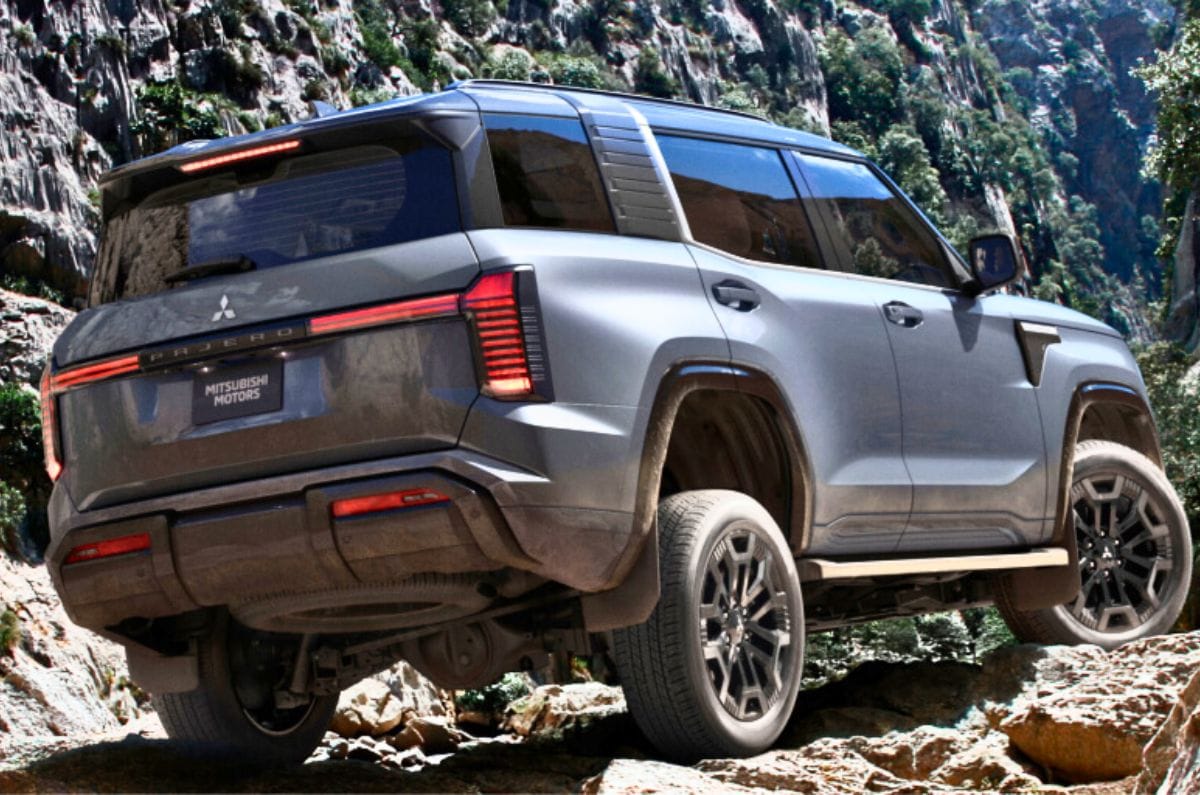
Mitsubishi is offering the 2026 Pajero with a 2.4-litre 4-cylinder diesel engine producing 480Nm of torque, but the power figure has yet to be revealed. It gets an 8-speed automatic transmission. The 2021 Mitsubishi Pajero Final Edition was offered with a larger 3.2-litre 4-cylinder diesel engine producing 189hp and 441Nm, mated to a 5-speed AT. However, the four-wheel-drive (4WD) system has been retained.
The suspension system has been upgraded, replacing the previous model’s independent rear suspension with a five-link rigid rear axle coupled with high-mounted independent double-wishbones at the front. Mitsubishi says this has been done to prioritise wheel travel and durability.
The 2026 Mitsubishi Pajero will launch in Thailand in the coming months, before being offered in Japan, Australia and “approximately 100 countries worldwide, including markets in ASEAN, Latin America and the Middle East”. However, it is not headed to India.