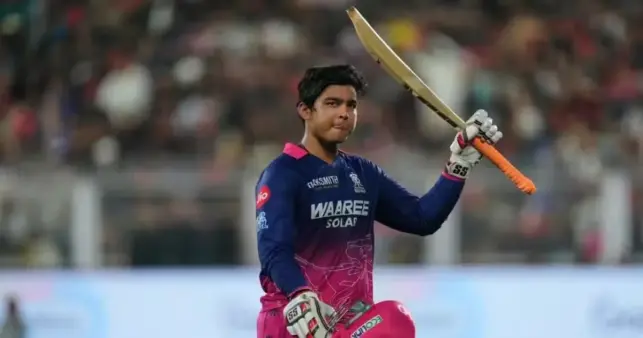
The Board of Control for Cricket in India (BCCI) has announced the 15-member India Under-19 squad for the upcoming home series against Australia, but teenage batting sensation Vaibhav Sooryavanshi was not included in the team.
The omission has attracted attention because Sooryavanshi is already an established name in Indian cricket despite being only 15 years old and has also made his senior India debut in T20Is. The squad includes several young players, among them Aaryavir Sehwag, son of former India opener Virender Sehwag, and Anvay Dravid, son of former India captain and coach Rahul Dravid.
Their selections have added interest to the announcement, while the absence of Sooryavanshi has prompted questions over why one of India’s most talked-about young cricketers was left out of the Under-19 setup. The reason is linked to a BCCI eligibility rule governing age-group cricket. Sooryavanshi’s birth date means he does not meet the eligibility requirements for the particular Under-19 competition or series at the time it is being held. Although he is 15 and therefore within the broad age bracket associated with Under-19 cricket, BCCI age-group selections are governed by specific cut-off dates rather than age alone. This distinction is important because a player can technically be younger than 19 but still be ineligible for a particular Under-19 tournament or series depending on the prescribed date of birth criteria.
Age-group cricket uses such cut-offs to ensure that players compete within clearly defined eligibility categories and that teams are selected according to the rules applicable to the competition. Sooryavanshi’s omission is particularly notable because his rise through the ranks has been unusually rapid. The youngster has attracted widespread attention for his performances at domestic and franchise level and has been regarded as one of India’s most promising young batting talents. His progress reached another milestone when he made his senior international T20I debut for India against England, despite his young age. His senior-team appearance, however, does not automatically override the eligibility regulations governing India’s Under-19 cricket. Selection for an age-group side remains subject to the BCCI’s prescribed criteria.
As a result, Sooryavanshi’s senior international experience does not necessarily make him eligible for every Under-19 assignment. The India Under-19 squad’s selection of players such as Aaryavir Sehwag and Anvay Dravid has also drawn attention because of their famous cricketing backgrounds. Both youngsters will be under additional scrutiny as they attempt to establish their own careers, but their inclusion is based on their eligibility and selection for the Australia series rather than their family connections. The Australia series will provide an important opportunity for India’s next generation of cricketers to gain international exposure.
While Sooryavanshi’s absence may come as a surprise to fans familiar with his rapid rise, the decision is understood to be driven by the BCCI’s age-group eligibility regulations rather than his lack of performances or potential. For now, Sooryavanshi’s senior-level progress remains the more significant aspect of his career. His early international experience means he is already moving beyond the conventional pathway followed by many Under-19 players. The BCCI’s eligibility rules, however, continue to determine whether he can participate in specific age-group assignments, regardless of his growing reputation in senior cricket.