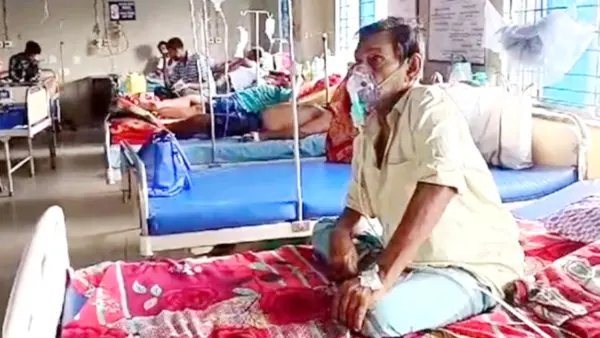
Notably, H1N1 is a viral infection caused by a strain of the influenza A virus. It can cause symptoms like sudden fever, dry cough, body aches, headache, sore throat and fatigue. In some cases patients suffer from breathing difficulties and low oxygen levels.
What Doctors Are Saying?
According to doctors, people with symptoms should seek medical attention or visit a nearby hospital. Symptoms such as breathlessness, chest pain, persistent high fever, confusion, and bluish lips are very common in patients suffering from the H1N1 virus. Vulnerable groups, including children and adults, should be particularly cautious.
Amid the rising respiratory infections, experts are advising people to maintain hygiene practices similar to the COVID era. People should maintain hand hygiene, avoid close contact when unwell and visit the hospital if symptoms become severe.
H1N1 Cases Rising In Delhi
The capital city has recorded as many as 1,349 H1N1 cases since January, compared with 229 cases during the same period last year. Notably, the sudden surge in H1N1 cases comes amid the monsoon season when respiratory infections are very common, specially in children.
Who Is More Vulnerable?
Healthy people recover quickly from the flu, but it can be serious for vulnerable groups such as older adults, children, pregnant women and people with conditions like diabetes, heart disease and weak immunity.
High-risk patients should visit the hospital as soon as they have symptoms. According to doctors, antiviral medication like oseltamivir works best if taken within the first 48 hours. Antibiotics are prescribed by doctors if patients develop a bacterial infection. To prevent themselves from the virus during humid weather, people should get vaccinated, wash hands frequently, cover coughs and stay indoors if feeling sick.