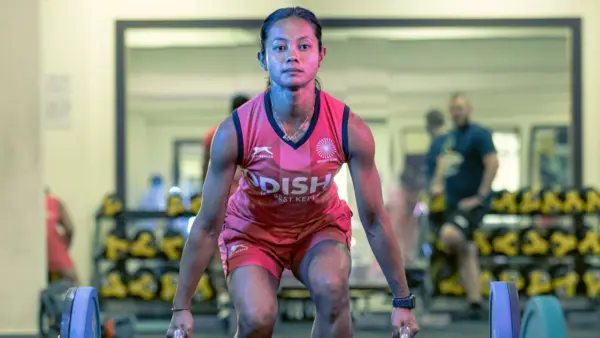
There was a time when Sushila Chanu Pukhrambam had to squeeze hockey around shifts checking tickets at Mumbai’s crowded railway stations.
There was another when injuries and a dip in form had her contemplating quitting. The captain’s armband has changed hands. So have the positions she plays. The game around her has changed too.
More than a decade on, Sushila, a veteran of 262 caps, is still here. On Sunday she walks out for another World Cup, still playing, still guiding.
“It’s been fun, all these years. There has been pressure, tension, a lot of joy… all emotions are mixed when I look back,” she says.
Now 34, Sushila belongs to the original generation of Indian women’s hockey trailblazers who helped take the team from merely participating on the biggest stages to believing it belonged there. She captained India at the 2016 Rio Olympics. Ten years on, with Salima Tete wearing the armband, she remains a vital part of the squad.
She has had a ringside seat to Indian hockey’s transformation. “When we were young, there wasn’t a lot of professionalism,” she says. “We did not have a proper, structured place to learn.”
There are academies across the country now. Young players arrive with a better understanding of the game, and Sushila no longer sees her role as teaching them everything from scratch. “There is no need to handhold at each step,” she says. “We can guide them.”
The change is not only technical. It has altered the culture inside the team.
As a young player, Sushila was afraid of the seniors, the didi log. There was a distance between generations. Youngsters could not speak to senior players like friends; they were even hesitant to walk in front of them.
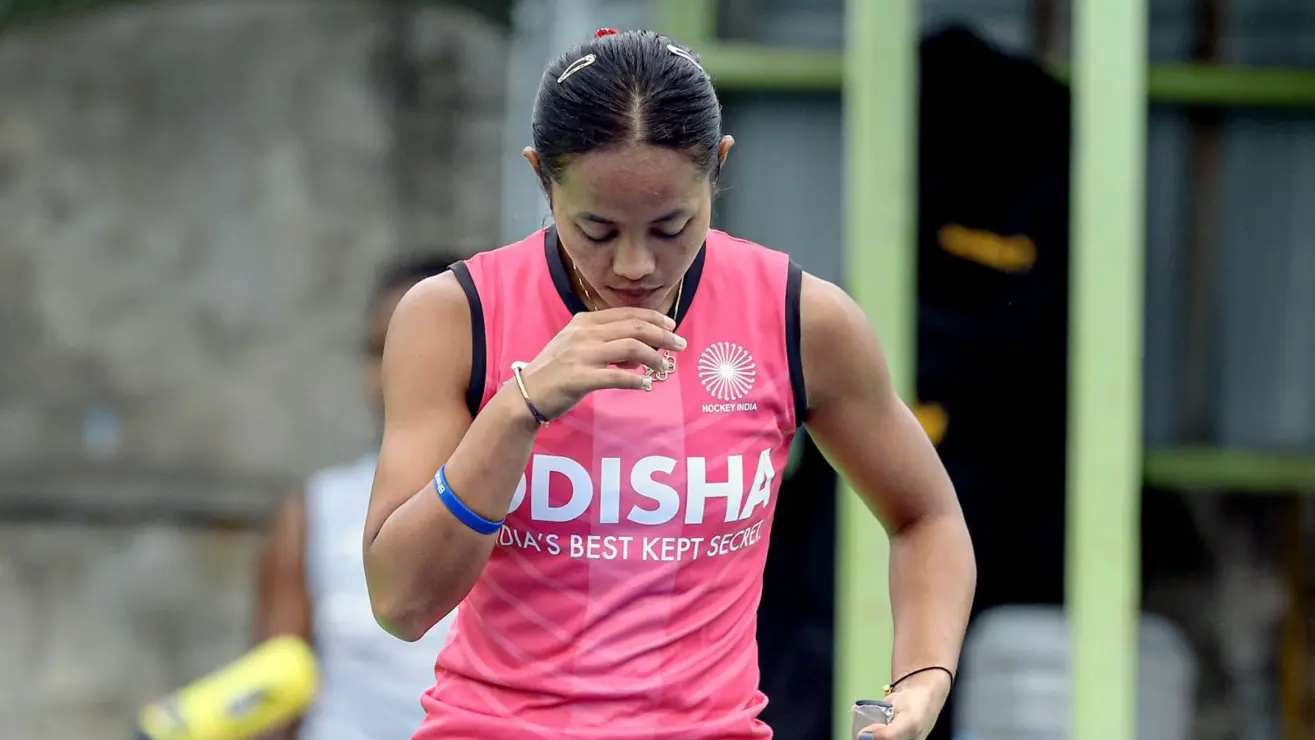 Sushila Chanu in action. (Hockey India)
Foreign coaches, Neil Hawgood first and Sjoerd Marijne later, helped break down some of those barriers. When Sushila herself became a senior, she made sure not to perpetuate them. “We didn’t want the following generations to experience that or feel the same way,” she says. “So, we do everything in a friendly manner.”
Sushila began as a side-back, moved to free defender, then centre-half, and now plays primarily as centre-back. The position has changed. The responsibility hasn’t.
In Rio, that responsibility came with an armband. She was 24 when she captained India at the Olympics, but Hawgood, the coach then, made sure she did not carry the burden of captaincy beyond what was necessary. “He told me that the toss on the ground, that is your thing,” she recalls. “And there is no need to take any pressure for the rest.”
Today, Salima is captain. Sushila does not see that as a diminished role. “Whether I am a captain or a normal player, there is nothing like that,” she says. On the field, she still speaks when she sees something going wrong. “Wherever there is a mistake, I will speak.”
That voice has been earned through a career of highs, lows and injuries. Sushila does not pretend longevity has been easy. “In my life, I have got a lot of injuries,” she says. “Because of the injury, in my mind, mentally, sometimes I get weak. Every day, we can’t always be positive.”
The lowest point came in 2018, when she was left out of the Asian Games and World Cup squads. Her game was down and, for the first time, she contemplated walking away. “I thought of leaving everything.”
Her friends persuaded her to reconsider. If she wanted to quit, they told her, she should at least play one more game, even a test match, and then decide. She stayed. “After that, I did not give up. I did three times more hard work, and that never stopped.”
The career that followed produced moments she still holds close. In 2013, she captained the junior team to bronze at the World Cup, India’s first medal at the tournament. She led India on their return to the Olympics, in 2016, after more than three decades. Then came the Tokyo Olympics, where India finished fourth. “These two things will be memorable in my life,” she says.
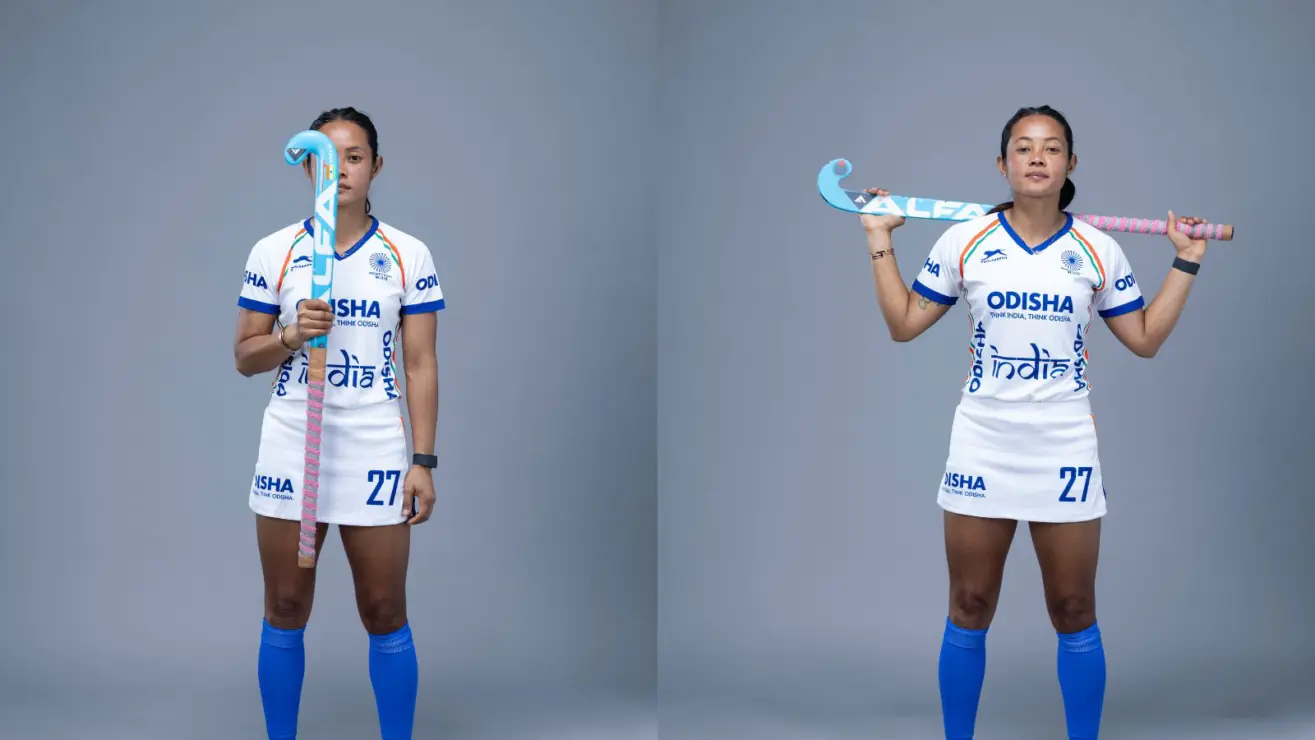 Indian hockey player Sushila Chanu
There is hope that the next 45 days can revive some of Indian women’s hockey’s old highs. The World Cup and Asian Games offer two chances to make a statement, with Marijne back at the helm, the coach who led India to the Tokyo Olympics semi-final and a fourth-place finish.
For Sushila, the journey to this point has been about more than hockey. Her father is a truck driver; her mother ran a tea shop. Once she began playing, Sushila asked her mother to stop. Later, she built a home for her parents. “I just wanted to keep my parents happy,” she says.
Her own hockey life once had to fit around a job. After camps and tournaments, she would return to Mumbai and report for Railways duty, checking tickets at crowded stations in Sion and Masjid. Getting leave was difficult. Now, the equation has changed. “We are continuously at the camp,” she says. “Even when we are on leave, we don’t have to go to the office much. The focus is completely on training.”
In those years, she has gone from youngster to Rio captain to senior guide. On Sunday, she walks into another World Cup with Salima wearing the armband.