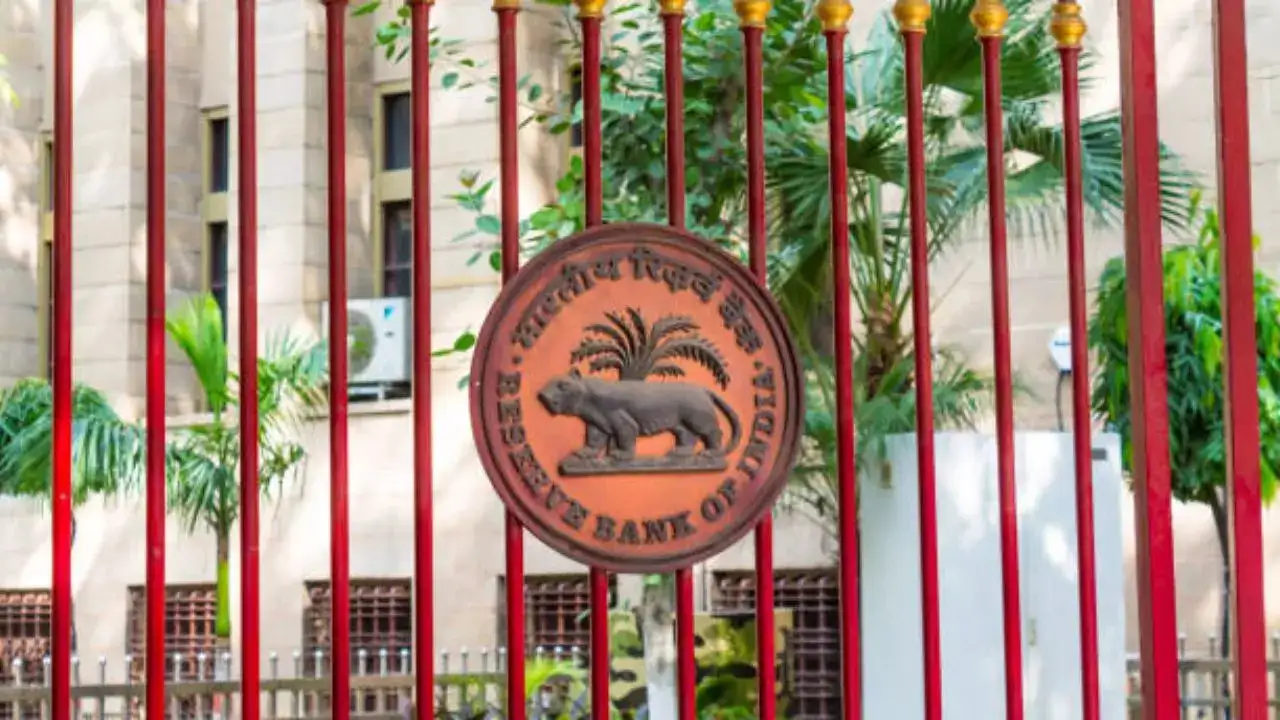
The government has given the green light to the Reserve Bank of India’s (RBI) proposal to introduce one billion polymer banknotes each in the Rs 10 and Rs 20 denominations for field testing, Parliament was informed on Tuesday. The proposed move could mark a significant step in India’s currency management strategy, although an immediate nationwide rollout is not on the cards. The RBI is still in the early stages of the procurement process, and authorities have indicated that the timeline for introducing the new notes cannot yet be established.
The proposal was submitted by the RBI’s central board to the government under Section 25 of the Reserve Bank of India Act, 1934. The plan covers both field trials and the potential regular issuance of polymer notes in the two denominations if the trials prove successful.
Finance Minister Nirmala Sitharaman said in a written response to the Rajya Sabha that the government has approved the proposal.
“The proposal has been approved by the government. As per the RBI, these polymer banknotes are proposed to be issued along with paper substrate-based banknotes,” she said.
This means polymer currency, if introduced after the trials, would initially coexist with conventional paper-based notes rather than immediately replacing them.
The RBI has also clarified that the procurement exercise remains at an early stage. As a result, the government is currently unable to provide a firm date for when polymer banknotes could enter circulation or estimate the cost involved.
The approval does not translate into an immediate launch of polymer currency. With procurement still progressing through its initial phase, several steps would need to be completed before the notes can be tested and potentially issued on a regular basis.
The government has therefore said that it is too early to determine either the exact introduction schedule or the expenditure associated with the project.
If the field trials are successful, the RBI could proceed with regular issuance of polymer ₹10 and ₹20 notes, alongside existing paper currency.
Fall In Retail Inflation
In a separate response, Sitharaman highlighted the government’s assessment of India’s inflation trajectory. Average retail inflation, based on the Consumer Price Index (CPI), declined from 5.4 per cent in 2023-24 to 4.6 per cent in 2024-25 and then to 2.1 per cent in 2025-26.
However, inflation moved higher during the first quarter of 2026-27, reaching 3.9 per cent. Sitharaman attributed the increase to several factors, including higher commodity and global energy prices linked to the West Asia crisis, seasonal increases in vegetable prices and the possibility of unfavourable El Niño conditions.
Despite the quarterly increase, inflation remained below the RBI’s 4 per cent target.
GST Changes, Tax Relief Aimed At Supporting Demand
The Finance Minister also pointed to changes in indirect taxation and other fiscal measures aimed at easing costs and supporting consumption.
“The 56th meeting of the Goods and Services Tax (GST) Council has brought in a two-rate structure with a standard rate of 18 per cent, a merit rate of 5 per cent and a special de-merit rate of 40 per cent for a select few goods and services (but inclusive of earlier compensation cess rate, and hence with no increase in overall tax burden),” she said.
The changes resulted in several goods and services moving from the 28 per cent GST slab to 18 per cent, while some products shifted from 18 per cent to 12 per cent or 5 per cent. Other items saw rates reduced from 12 per cent to 5 per cent or nil.
The government also rationalised Basic Customs Duty on various products from February 2, 2026, with the stated objective of lowering input costs, encouraging domestic manufacturing, improving export competitiveness and supporting strategic industries.