New Delhi: The Pentagon, the headquarters of the United States Department of Defense, has reportedly pushed for speeding up the production of arms and ammunition as the current stockpile is depleting fast, especially due to the country’s armed conflict with Iran.
It has been suggested in previous reports that the ongoing US-Iran war has significantly depleted the military’s arms stockpiles. However, these reports have been refuted by President Donald Trump and the administration, indicating instead a pre-meditated need to expand defence production.
Pentagon’s push for weapons; what do senior officials say
The Pentagon was actively focused on boosting munitions acquisitions to provide “the weapons our warfighters need at the pace the threat demands,” said the department’s spokesman Sean Parnell in a statement on Saturday.
Talking about the efforts to boost production last week, Parnell insisted that the move was part of a larger modernisation effort within the defence industry and was undertaken much before the start of the war with Iran.
Deputy Defense Secretary Steve Feinberg wrote to industry leaders on Wednesday, setting a 21-day limit for them to submit plans to “drive significantly faster, more aggressive delivery schedules and/or increased production for critical capabilities,” as revealed by a memo received by The Washington Post.
“Years-long development cycles are not acceptable. We must dramatically accelerate our program schedules and expand our production capacity now,” he wrote.
Parnell affirmed Feinberg’s memo on Saturday, adding that it “will inform the fiscal year 2028 budget submitted to Congress for funding, and it is entirely consistent with our ongoing push to rebuild the defense industrial base”, as per AP’s reports.
A defense spending bill has currently been stalled by the US Congress, which had previously passed a resolution condemning the war against Iran. This has drawn opposition to the White House’s request to increase Pentagon spending to USD 1.5 trillion, up from about USD 900 billion last year.
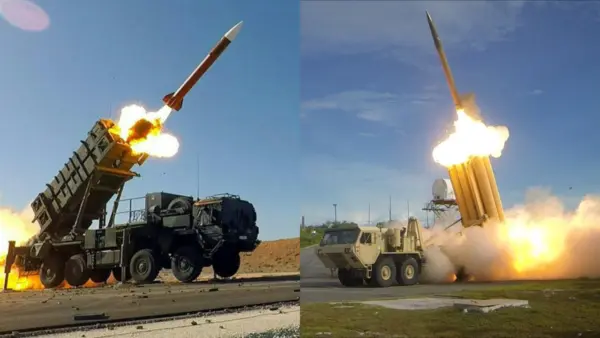
Depletion of Patriot and THAAD interceptors
The memo to defense industries comes amid a recent study by the Centre for Strategic and International Studies (CSIS), a Washington think tank, which revealed the US military’s declining stockpiles of Patriot and THAAD interceptors amid the ongoing conflict with Iran.
These shrunken inventories, as per the analysis, may force the US and its Middle Eastern allies to take more risks to conserve air defences, which may increase the possibility of a missile launched by Iranian forces getting through to its target.
Last month, the Pentagon had struck a $58.6 billion deal with Lockheed Martin Corp to triple the production of Patriot interceptor missiles over the next seven years. This shift from the current annual $4.7 billion contract is expected to expand the production of Patriot missile units from 600 units to 2,000 units a year by 2030.
The number of Patriot interceptors fell from 2,330 before the war to 1,030 when the April ceasefire took effect, CSIS estimated last month. Following recent fighting, the stockpile is now estimated to be between 759 and 827, a decrease of at least 65% since before the conflict started.
The number of THAAD interceptors fell from 452 before the war to between 232 and 262 at the start of the April ceasefire, CSIS said. The US was able to replenish some of the inventory to between 234 and 278 interceptors. But the stockpile is still at least 38 per cent smaller than it was before the conflict.
President Trump, however, has consistently refuted any claims of a munition shortage in the US military, even claiming “massive amounts” of arms in a Truth Social post. He further alleged that “large amounts are being manufactured and shipped to the US as needed.”