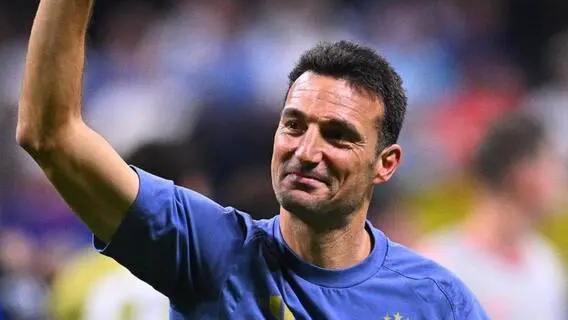
The 2026 FIFA World Cup final concluded in profound heartbreak for Argentina, leaving the future of their highly successful national team in a state of immense uncertainty.
Following a grueling 1-0 extra-time defeat at the hands of Spain in New Jersey, manager Lionel Scaloni struggled to contain his emotions. The 48-year-old tactician, who was bidding to become only the second manager in soccer history to retain the World Cup trophy, abruptly cut his post-match press conference short as he broke down in tears. Faced with the painful reality of relinquishing their global crown to a 106th-minute strike by Ferran Torres, Scaloni dropped heavy hints that his legendary tenure with La Albiceleste could be reaching its final chapter.
Tearful Press Conference and Contract Disclosures
Addressing the media after the agonising defeat, Scaloni was visibly overwhelmed by the occasion. While he firmly stated that he would not issue an immediate resignation, he openly cast doubt on his long-term continuity. Scaloni clarified that his current contract runs until December 2026, and he fully intends to honour the remaining months of his deal. However, what happens after the winter remains highly precarious.
“I will talk to the president,” Scaloni admitted, referring to Argentine Football Association (AFA) chief Claudio Tapia. “I have an idea of what I would like to do. I will see out my contract, and I feel the need… I don’t know if something as big can be done. We need to speak this through.” Interrupted by his own tears, the manager asked the press room to “bear with me” before acknowledging that the sheer exhaustion of the role might force him to step aside. Later, he explicitly reiterated to reporters that after December, it will “most likely” be time for him to step down and allow someone else to guide the programme forward.
Enormous Burden of Rebuilding
Scaloni’s hesitation stems largely from the monumental task ahead for Argentine soccer. Having taken the helm in 2018 as an unheralded interim appointment, he successfully built a fiercely unified squad that went on to win two Copa América titles and the 2022 World Cup in Qatar. Yet, the tournament in North America exposed a heavily fatigued, ageing roster that had become overly reliant on past glories. Eight of the starters against Spain were the same individuals who started the final in Qatar four years prior.
“In order to continue, you need a great deal of things, especially resetting your mind, rebooting, and creating a group like this again,” Scaloni confessed. “That is very difficult to create again.” The mental and physical toll of maintaining such a high standard, combined with the necessity of navigating an impending generational shift, appears to have left the manager questioning if he has the energy required to engineer a complete squad reset.
Post-Messi Era Looms Large
Compounding Argentina’s transitional anxiety is the inevitable conclusion of Lionel Messi’s international career. The talismanic captain, playing at 39 years old, enjoyed a brilliant individual tournament, netting eight goals. However, during the final, a suffocating Spanish midfield completely starved him of service, preventing him from registering a single shot on goal until the 117th minute. Furthermore, a red card shown to midfielder Enzo Fernández completely dismantled Argentina’s tactical structure in the dying stages of the match.
Scaloni confirmed he had not yet spoken to Messi about their respective futures but took the time to vigorously defend his icon. “He’s 39 years old now. It was crystal clear for me that he was going to play up until he decided not to,” Scaloni remarked. Hailing him as the greatest player to ever step onto a pitch, Scaloni expressed immense pride in the team’s warrior spirit, urging the public to be great in defeat. If December does mark the definitive end of the “Scaloneta” era, it will close out one of the most decorated and transformative managerial reigns in South American football history.